
Public sector programs have a meaningful impact in developing health policies. Public sectors are individuals or organizations at the community health level that focus on health promotion, prevention, communicable disease control, sanitation, air, food, and water safety, and the analysis of health data and statistics (Longest, 2016). To better understand the influence of public sector institutions in oral healthcare during pregnancy, I interviewed Representative Kelli Butler of the Arizona House Health Committee, who has served as a House member since 2017, and has years of experience in the dental health field as a small business owner of Butler Family Dental.
In creating health policy solutions, public sectors use the following model as a criteria in developing health promotion solutions and programs:
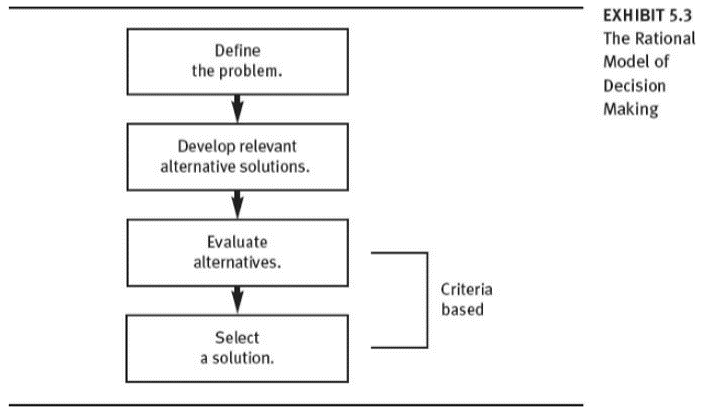
“Public sector institutions have to decide which issues are best to focus their efforts. They need to consider not only which policies improve public health, but also determine if they are cost-effective, and can show potential financial savings from making the investment.”
– Representative Kelli Butler
While efforts in the public sector help increase advocacy in health promotion, Rep. Butler notes that it may take “years to generate enough interest in any one policy measure to make progress.” As a result, one may wonder about the role of education in influencing a policy maker’s decision. While it is important to educate legislators about evidence-based research that drives policies, education alone unfortunately may not be enough to influence policy decisions.
“It can take years of contact and repetition by experts and stakeholders before enough legislators understand a complex issue to make progress and advance policy. In the case of the bill to provide pregnant women enrolled in AHCCCS with a dental benefit, it has taken four years to make progress… we have had numerous medical and health professionals coming to the Capitol to meet with lawmakers and explain the research about better birth outcomes, and the cost savings to the state from a reduction in pre-term births.”
– Representative Kelli Butler
In consideration of the termination of Senate Bill 1088 (2019) that expands AHCCCS coverage to include comprehensive dental care during pregnancy, state budget limitations may have had a considerable effect despite expectations that the bill would pass. Additionally, Medicaid dental benefits are considered optional among states and determination of qualifying income eligibility is not mandated at a federal level. As to a possibility why it is not mandated,
“We are in an extremely troubling era of health policy, especially at the federal level. We have seen research funding cuts, expected cuts to Medicaid and Medicare funding, and coverage chaos with the lawsuits seeking to end the Affordable Care Act. Unfortunately, both at the federal and state level, we are not prioritizing proven, cost-effective and data-driven policy or research.”
– Representative Kelli Butler
Rep. Butler is hopeful that barriers to dental health for pregnant women will eventually change through continued advocacy by grassroots individuals and public sectors. Arizona’s Department of Health, First Teeth First, and the Children’s Dental Health Project are examples of state and federal programs that address oral health screening and care in pregnancy. However, a large body of their work focuses on dental health prevention efforts during childhood with a limited focus during pregnancy.
“It may be easier to study children to determine causation. With the pregnant women AHCCCS dental bill, we have had detractors say pre-term births could be caused by any number of factors and oral health could be a correlation, but harder to prove actual causation.”
– Representative Kelli Butler
It is apparent that advocacy for dental healthcare in pregnancy hinges on persistent efforts in developing research, educating policy makers, and alleviating financial barriers. As emphasized by Rep. Butler, this may be a long-endured process but it is necessary in order to drive positive policy reform for pregnant women.
Thank you to Representative Kelli Butler for sharing her thoughts and opinions about policy reform for oral healthcare in pregnancy. Her time and efforts on Arizona’s House Health Committee is an important role that is admirable and appreciated.
Reference:
Longest, B.B. Jr. (2016). Health policymaking in the United States. (6th ed.). Chicago, IL: Health Administration Press.
 Oral Health Care Screening in Pregnancy
What an incredibly interesting blog post. I very much enjoyed reading your interview with Representative Kelli Butler. When a woman is pregnant, most focus on the health of the mother in regard to activity, medication management, sleep, and social support. Rarely do you hear of the importance of oral health in pregnant women. This needs to change. Holistic wellness of an individual requires careful consideration of all aspects of that person’s physical, emotional, and psychosocial well-being. A shocking 60 to 75% of women who are pregnant have gingivitis which may potentially lead to poor health outcomes for the dyad (CDC, 2019). This pressing concern does not carry much weight with legislators unless activists continue advocacy and efforts to educate and inform the public to influence policy. As you mentioned, it can take years for legislators to acknowledge the urgency of a problem and react to initiate change. Although tiring, all efforts must continue to voice concerns for those who will not advocate for themselves. Thank you for sharing such important information this week. I wish you the best of luck in your ongoing efforts to create meaningful change.
References
Center for Disease Control and Prevention. (2019). Oral health: Pregnancy and oral health. U.S. Department of
Health & Human Services. Retrieved from https://www.cdc.gov/oralhealth/publications/features/pregnancy-and-
oral-health.html
LikeLike
Hi Kendra,
Thanks for your interesting post on policy on dental care during pregnancy, and an interview with Representative Butler. It’s a unique and important policy that can impact women’s health during pregnancy. I am impressed by how you have recognized that primary health care needs, such as dental care, can impact the outcomes of pregnancy for women and infants. It is very true, as you have mentioned that educating policymakers alone cannot accelerate the policymaking process; instead, it requires research, advocacy, and grassroots level stakeholders to support the policy.
LikeLike
It seems you chose a great person to interview and representative Butler provided you with relevant information on your topic of oral health care in pregnant woman. The quote about public sector institutions having to decide where to focus efforts and show they are cost effective and save money is valid in any business deal. No one wants to invest money in an idea or plan that will not show a dividend on the back end, especially if it does not provide a service to the public either. Medicaid does currently cover up to $1,000 for emergency dental services but does not provide routine cleanings (Innes, 2019). This does not seem to be in alignment with Medicaid services because it is an HMO design that focuses on preventative care. Why Medicaid would cover $1,000 for a dental emergency and not attempt to provide routine services seems to be a disconnect. A dental cleaning is much less than this cost so it is safe to say that oral health should be provided to not only pregnant women but all those receiving services through Medicaid. Oral care for pregnant women on Medicaid has been presented in front of legislators for three consecutive years (Innes, 2019) so it seems now is the time to start providing routine dental care.
References
Innes, S. (2019, February 7). Pregnant women covered by AHCCCS may soon get better dental coverage. AZCentral. Retrieved from https://www.azcentral.com/story/news/local/arizona-health/2019/02/07/pregnant-women-covered-ahcccs-get-better-dental-coverage-sen-heather-carter/2712468002/
LikeLike
Thank you for sharing your interview with Kelli Butler. The more I learn about policy making, the more institutionalized sexism I perceive. When we hear policy makers speak, we hear cost and value at the core of decisions. When we think about what our country values most, as in where we are willing to spend the most money, we see male dominated sports, guns, military. Women- those people responsible for the making of all the people on the planet- are not particularly valued in our country. Programs to protect them are poorly funded, research to learn more about their needs are poorly funded, maternity care, maternity leave, child care is all poorly funded. It’s a disgrace to our country that we have the highest maternal mortality rate in the developed world, despite spending more on healthcare than any other nation. A more vigorous woman’s movement is needed and more women leaders (and presidents-sigh) are needed to give women the value they deserve.
LikeLike