Week Thirteen: 4/13-4/19 Healthcare Financing Strategies for Teledentistry

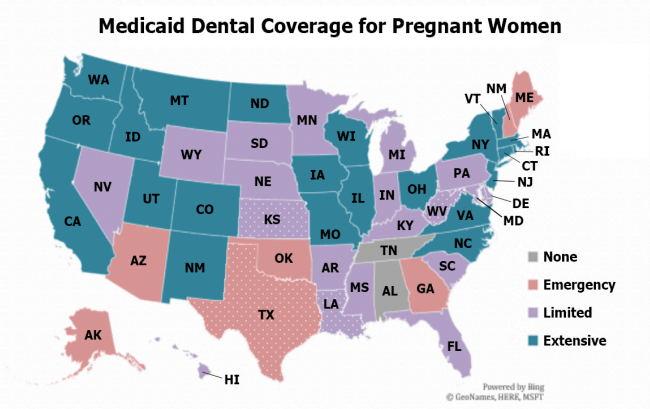
As previously discussed, teledentistry is an innovative strategy to increase access to dental care services. Currently, 49 states include Medicaid reimbursement for telemedicine programs (Center for Connected Health Policy, 2018). However, not all states include teledentistry as part of telemedicine programs. Nationally, dental coverage for pregnant women varies per state and therefore telehealth coverage is also affected (AZDHS, 2009). Few states offer teledentistry reimbursement through the state’s Medicaid program and it is often limited to “synchronous” (live video) interactions (ASTDD, 2019). Additionally, there are challenges with reimbursement as some insurances do not consider dental hygienists a part of teledentistry services as a rendering provider.

Arizona is one of the few states where teledentistry is recognized as a reimbursable service under telehealth through the Arizona Health Care Cost Containment System (AZDHS, 2009). While it is an innovative service to increase dental care access, there are financial barriers associated with its use. Costs to implement teledentistry may be expensive. Exact financial figures of teledentistry costs have not been reported. Teledentistry requires data management and imaging software compatible for synchronous interactions, digital oral cameras, radiographic equipment transferrable to digital images, and computer equipment. These equipment costs are vital to the operation of teledentistry and may be associated with surmounting financial costs.

Although dental care providers may oppose teledentistry due to startup costs to implement it, these costs may be alternatively considered as an investment. Benefits of teledentistry may reduce total billed claim costs. If hypothetically, a teledentist visit costs $50 and at least half of dental clinic members utilize the services, the overall claim may counterbalance fees associated with the digital service (Fontana & Wix, 2018).

Fontana & Wix (2018)

Teledentistry’s unique virtual capabilities may make it easier and more likely for patients to utilize these services especially in the context of preventive health. Increased participation in teledentistry may lead to better oral health outcomes and fewer higher cost services for advanced oral health treatment. California’s Virtual Dental Home is a great example of how teledentistry is cost-effective and can increase access to vulnerable populations. In dental care for children, VDH costs were approximately 40% less for diagnostic and preventive procedures compared to the state’s dental Medicaid program (Fontana& Wix, 2018). These same successful models can apply to pregnant women with teledentistry. The challenge in implementing this service for pregnant women would be stakeholder buy in from Medicaid insurance programs and dental care providers. However, it is necessary to look past profits for this service and work towards providing services that decrease gaps in health equity for pregnant women.

References

Arizona Department of Health Services. (2009). Teledentistry in Arizona. Retrieved from https://www.azdhs.gov/documents/prevention/womens-childrens-health/reports-fact-sheets/oral-health/teledentistry-arizona.pdf

Association of State & Territorial Dental Directors. (2019). Teledentistry: How technology can facilitate access to care [White paper]. Retrieved April 17, 2020, from Assosciation of State & Territorial Dental Directors: https://www.astdd.org/docs/teledentistry-how-technology-can-facilitate-access-to-care-3-4-19.pdf

Center for Connected Health Policy. (2018). State telehealth laws. Retrieved from https://www.cchpca.org/sites/default/files/2018-10/CCHP_50_State_Report_Fall_2018.pdf

Fontana, J., Wix, D. (2018). Value proposition of teledentistry: Cost savings, improved services, and more [White paper]. Retrieved April 17, 2020, from Milliman: https://careers.milliman.com/uploadedFiles/insight/2018/value-propostition-teledentistry.pdf

Week Eleven 3/30-4/5:Technology Innovations in Oral Healthcare

Oral healthcare expenditure is no exemption to rising health care costs in the United States. The economic costs for dental services has grown exponentially over the years. According to the American Dental Association Health Policy institute (2017) report, dental care expenses rose 3.3 percent from 2015; $124,373 is the current national average spent annually in the United States. In addition to this steep trajectory, increasing numbers of uninsured individuals and out of pocket costs make oral healthcare screening and treatment unattainable for many (Shetty, Yamamoto, & Yale, 2018). Therefore, innovative changes delivered through technology are needed to improve dental services and delivery in the twenty-first century.

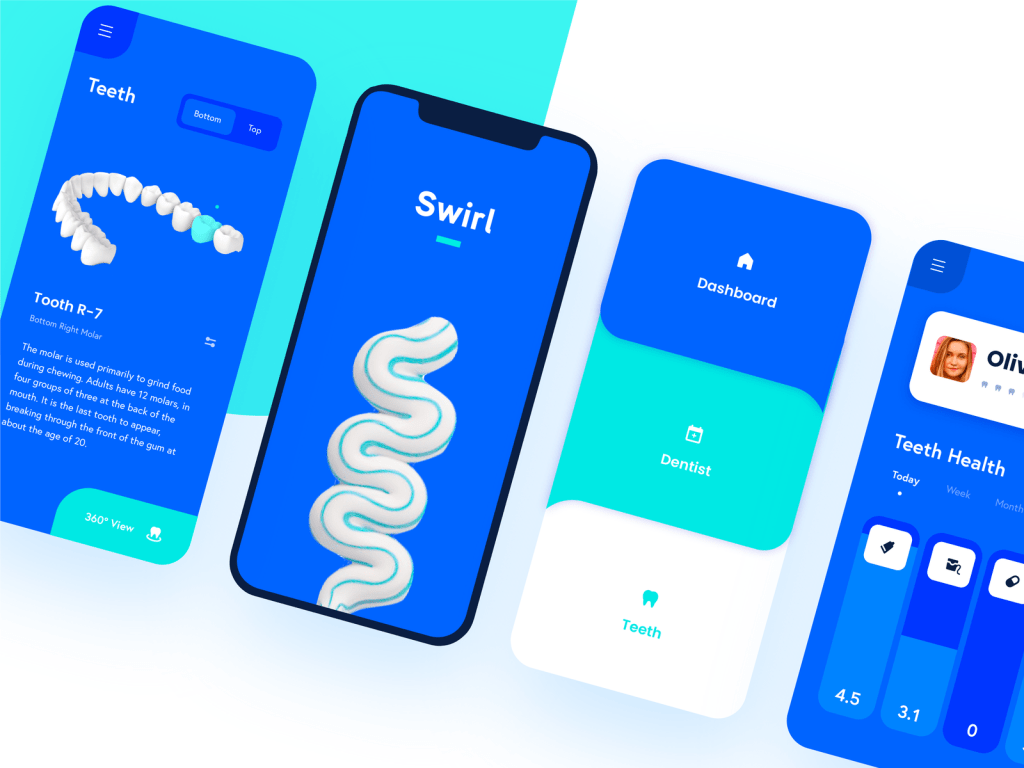
As previously discussed, teledentistry is a plausible option in bridging the gap for dental care access. However, advancements in promoting behavior modification should be considered to increase dental health prevention because access to dental services is a barrier even with teledentistry. Digital technology has become ubiquitous throughout our daily lives and can be used to optimize health care delivery models. Oral health disease is strongly linked to inadequate oral hygiene; 59% of women miss daily brushing (Shetty, Yamamoto, & Yale, 2018). Mobile health applications can influence health behaviors such as daily oral hygiene. These applications can monitor tooth brushing efficiency through mobile apps and provide custom feedback (Shetty, Yamamoto, & Yale, 2018). This information is uploaded to a privacy data compliant cloud server that dental providers may review with patients upon their next visit. Even in circumstances where a dental visit is not feasible, patients may still review their own progress and make behavior modifications as needed.

(Hock, n.d.)

Dental insurers must also adapt to innovative dental health advancements. According to Shetty, Yamamoto, and Yale (2018), insurance companies and payers should provide incentives to participate in digital dentistry. Beam, is an example of a dental PPO plan that embraces evolution in digital dentistry. Members under Beam receive a six month auto subscription for a smart toothbrush, refill heads, and dental floss. The smart toothbrush tracks time and efficiency of an individual’s oral hygiene routine that syncs to the company’s app which is then analyzed to set dental premiums. Therefore, better oral hygiene practices can mean lower insurance costs.

Innovative ideas such as this are changing the context of oral healthcare delivery. This can overall improve oral health for everyone and in particular, pregnant women. Preventative measures may be the only feasible way pregnant women can take control of their oral health when they face large barriers in access to services and are often refused services by dental providers due to stigmatization.

References

American Dental Association. (2017). HPI report shows dental spending increased again in 2016. Retrieved from https://www.ada.org/en/publications/ada-news/2017-archive/december/hpi-report-shows-dental-spending-increased-again-in-2016

Beam Dental. (2018, September 24). Beam promo video loop [Video]. https://www.youtube.com/watch?v=UHJq8aLRlDE

Shetty, V., Yamamoto, J., & Kenneth, Y. (2018). Re-architecting oral healthcare for the 21st century. Journal of Dentistry, 74(Supp1), S10-S14. doi: 10.1016/j.jdent.2018.04.017

Week Nine 3/16-3/22: Private Sector Innovations and Policies

Pregnant women are considered a part of a vulnerable population that faces many health disparities, especially those living in low income areas. Access to dental care remains the largest barrier to oral health screening in pregnancy. This includes access to dental health care providers. Interventions aimed at increasing provider access should be an important consideration. As a result, alternative models of care need to be developed in response to the shortages of providers. The Institute of Medicine recommends development of a new delivery systems that will expand delivering oral health services and providers through non-traditional modalities (Glassman, Harrington, Namakian, & Subar, 2012) that will directly affect vulnerable populations.

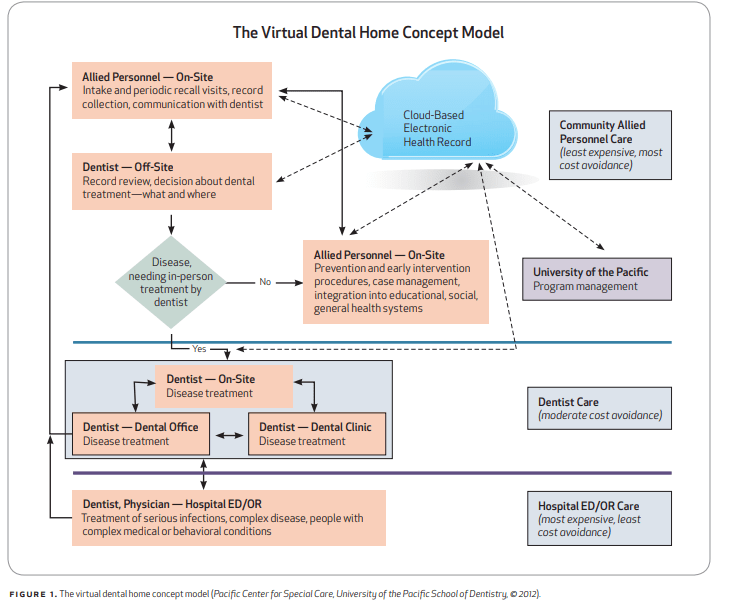
A “virtual dental home” model allows a team of registered dental hygienists and assistants to be stationed in common designated facilities such as (schools, work, community sites) and provide oral health screening and education. This model of care increases access to all populations and reduces health disparities. This team of dental health professionals collect medical and dental health histories, x-rays, and photographs with screening that is uploaded into a secure electronic health system; a collaborating dentist reviews the information via teledentistry and designs a treatment plan (American Dental Association, 2016). Patients who require more extensive dental services are then referred to in-office appointments.

(Glassman et al., 2012)

The American Dental Association has endorsed policies in teledentistry since 2015. In Arizona, teledentistry was introduced in November 2009 with five teledentistry providers (Arizona Department of Health Services [AZDHS]). It is interesting that teledentistry has been around for almost a decade. However, its services are not utilized or publicized enough especially for use in pregnant women. According to the AZDHS (2009), barriers in teledentistry surround infrastructure (advisory councils, state leadership, provider retention), policy (developing an agenda), and communication needs (awareness). Under Arizona’s Medicaid AHCCCS program, telehealth services are reimbursable, but it does not apply to teledental services (AZDHS, 2009).

(Glassman et al., 2012)

Teledentistry is an innovative policy solution that would alleviate one of the biggest hurdles for oral healthcare in pregnancy: access to care. Teledentistry that is reimbursable under Medicaid may also increase provider services, lower-costs, and provide timely care. In an era where healthcare is rapidly changing, we must take advantage of other modalities to provide care to the undeserved and vulnerable populations. Teledentistry meets this agenda and should be considered in helping pregnant women access dental health and treatment.

References

American Dental Association. (2016). Virtual dental homes offer way to get care to the underserved. Retrieved from https://www.ada.org/en/publications/ada-news/2016-archive/september/virtual-dental-homes-offer

Arizona Department of Health Services. (2009). Teledentistry in Arizona. Retrieved from https://www.azdhs.gov/documents/prevention/womens-childrens-health/reports-fact-sheets/oral-health/teledentistry-arizona.pdf

Glassman, P., Harrington, M., Namakian, M., & Subar, P. (2012). The virtual dental home: Bringing oral health to vulnerable and underserved populations. Journal of the California, 40(7), 569-77.

Week Seven 2/24-3/1: Influence of Public Sectors and Oral Healthcare in Pregnancy

Public sector programs have a meaningful impact in developing health policies. Public sectors are individuals or organizations at the community health level that focus on health promotion, prevention, communicable disease control, sanitation, air, food, and water safety, and the analysis of health data and statistics (Longest, 2016). To better understand the influence of public sector institutions in oral healthcare during pregnancy, I interviewed Representative Kelli Butler of the Arizona House Health Committee, who has served as a House member since 2017, and has years of experience in the dental health field as a small business owner of Butler Family Dental.

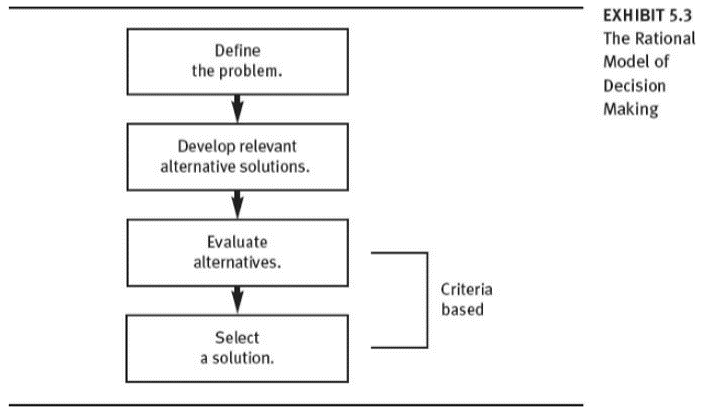
In creating health policy solutions, public sectors use the following model as a criteria in developing health promotion solutions and programs:

(Longest, 2016)

“Public sector institutions have to decide which issues are best to focus their efforts. They need to consider not only which policies improve public health, but also determine if they are cost-effective, and can show potential financial savings from making the investment.”

Representative Kelli Butler

While efforts in the public sector help increase advocacy in health promotion, Rep. Butler notes that it may take “years to generate enough interest in any one policy measure to make progress.” As a result, one may wonder about the role of education in influencing a policy maker’s decision. While it is important to educate legislators about evidence-based research that drives policies, education alone unfortunately may not be enough to influence policy decisions.

“It can take years of contact and repetition by experts and stakeholders before enough legislators understand a complex issue to make progress and advance policy. In the case of the bill to provide pregnant women enrolled in AHCCCS with a dental benefit, it has taken four years to make progress… we have had numerous medical and health professionals coming to the Capitol to meet with lawmakers and explain the research about better birth outcomes, and the cost savings to the state from a reduction in pre-term births.”

– Representative Kelli Butler

In consideration of the termination of Senate Bill 1088 (2019) that expands AHCCCS coverage to include comprehensive dental care during pregnancy, state budget limitations may have had a considerable effect despite expectations that the bill would pass. Additionally, Medicaid dental benefits are considered optional among states and determination of qualifying income eligibility is not mandated at a federal level. As to a possibility why it is not mandated,

“We are in an extremely troubling era of health policy, especially at the federal level. We have seen research funding cuts, expected cuts to Medicaid and Medicare funding, and coverage chaos with the lawsuits seeking to end the Affordable Care Act. Unfortunately, both at the federal and state level, we are not prioritizing proven, cost-effective and data-driven policy or research.”

– Representative Kelli Butler

Rep. Butler is hopeful that barriers to dental health for pregnant women will eventually change through continued advocacy by grassroots individuals and public sectors. Arizona’s Department of Health, First Teeth First, and the Children’s Dental Health Project are examples of state and federal programs that address oral health screening and care in pregnancy. However, a large body of their work focuses on dental health prevention efforts during childhood with a limited focus during pregnancy.

“It may be easier to study children to determine causation. With the pregnant women AHCCCS dental bill, we have had detractors say pre-term births could be caused by any number of factors and oral health could be a correlation, but harder to prove actual causation.”

– Representative Kelli Butler

It is apparent that advocacy for dental healthcare in pregnancy hinges on persistent efforts in developing research, educating policy makers, and alleviating financial barriers. As emphasized by Rep. Butler, this may be a long-endured process but it is necessary in order to drive positive policy reform for pregnant women.

(Children’s Dental Health Project, 2020)

Thank you to Representative Kelli Butler for sharing her thoughts and opinions about policy reform for oral healthcare in pregnancy. Her time and efforts on Arizona’s House Health Committee is an important role that is admirable and appreciated.

Reference:

Longest, B.B. Jr. (2016). Health policymaking in the United States. (6th ed.). Chicago, IL: Health Administration Press.

Week Five 2/10-2/16: Historical and Contemporary Roles of Institutions and Actors in Health Policy

The roles and responsibilities of legislation are important to consider in policy implementation. Public policies derive from the ideas of concerned individuals, organizations, or members of the House of Representatives and Senate. Members of congress are then responsible in prioritizing policy agendas and solutions.

(The University of Arizona 2020; Congress.Gov, n.d.)

Once a legislative proposal is drafted, the bill may be introduced either in the House of Representatives or the Senate. Despite where the proposal originates from, a proposed bill must be vetted and passed by both legislative chambers before presenting to the executive branch (Longest, 2016). This legislative process for bill proposals is similar at both state and federal levels.

Legislative committees and subcommittees of the House of Representative and Senate are important institutions in moving proposals along the legislative process. Members of the Senate and House of Representative are actors who provide endorsement and sponsorship of bills that may be further designated into committees and subcommittees (Longest, 2016). These committees participate in extensive analysis of the proposal and have certain authority over respective committees.

In Arizona State legislation, Standing Committees participate in meetings to discuss potential bill proposals and amendments (Arizona State University Sandra Day O’Connor College of Law [ASU Law], 2019). These committees may hold public hearings to discuss perspectives and recommendations of stakeholders, organizations, and interest groups who are in support of a bill (Longest, 2016).

The Health and Human Services Committee of the Senate is responsible for holding hearings regarding proposed funding to expand dental coverage services to pregnant women through the state’s Medicaid program, Arizona Health Care Cost Containment System (AHCCCS). Arizona Senate Bill (SB) 1088, introduced in February 2019, was the 3rd attempt in legislation to pass dental coverage for pregnant women (Arizona State Legislature, 2020). Unfortunately, it did not receive the required votes to pass in the House of Representatives and was not enacted into law. This legislative proposal was originally proposed by Senator Heather Carter who continues to proactively press legislative action for comprehensive dental care coverage for pregnant women in AHCCS. This year, Senator Carter has recently endorsed SB 1170 in continuation of these efforts.

Click to read Senate Bill 1170

SB 1170 was proposed and first read in the senate on January 21, 2020 with a second read the following day. For a bill in Arizona to pass, three separate readings must occur before clearing from the chamber and sent to the Governor for consideration into law (ASU Law, 2019). It is the hope of bill supporters for SB 1170 that a fourth attempt in the legislative process will be successful. I encourage readers to view the Senate Health and Human Services Committee hearing from January 29th, 2020 (click video below). This hearing may help gain a thorough understanding of the legislative process and analysis of a bill discussed in a Standing Committee. Furthermore, you may find valuable information regarding the importance of comprehensive dental coverage for pregnant women.

References:

Arizona State Legislature. (2020, January). Senate Health and Human Services [Video]. Arizona State Legislature Bill Status Inquiry. http://azleg.granicus.com/MediaPlayer.php?view_id=13&clip_id=23578&meta_id=574433

Arizona State Legislature. (2020, February 13). Bill history for SB1170. Bill Status Inquiry. https://apps.azleg.gov/BillStatus/BillOverview/73234

Arizona State University Sandra Day O’Connor College of Law. (2019). The legislative process. Retrieved from http://libguides.law.asu.edu/ArizonaLaw/legislativeprocess

Congress.Gov. (n.d.). The legislative process: Overview [Infographic]. https://www.congress.gov/legislative-process

Longest, B.B. Jr. (2016). Health policymaking in the United States. (6th ed.). Chicago, IL: Health Administration Press.

The University of Arizona. (2020). The legislative process [Infographic]. http://libguides.library.arizona.edu/c.php?g=847161&p=6057216

Week Three 1/27-2/2: Ethical Impact in Healthcare Policy and Decision Making

Healthcare policy is a result of critical analysis, decision making, and planning that influences societal actions and behaviors in order to reach ideal health goals. These policies may be implemented at the federal, state, or local levels and impact individuals or organizations in various ways (Longest, 2019). Governments are designed to serve the best interest of its people. However, when it comes to healthcare the current policies in place do not always support optimal health. Have you ever wondered why that is? How does the government determine regulations in providing health care?

While there may be not be a definitive answer, one may deduce that the role of ethics is an important part in government decisions regarding health. However, policy formation may be influenced by agendas, actions, or ideas which matter most to agency officials and are more likely to gain traction with large interest group support (Switzer, 1994). When it comes to healthcare reform, prioritization of policy formation should avoid opinion of importance. Healthcare policies should be guided by five principle ethical values: universal access, equity, cost, quality, and choice (Gostin, 2017). Medicaid dental coverage for pregnant women is unfortunately inconsistent of these ethical values.

Ethical Values in Healthcare Policy Decisions: Universal access, equity, cost, quality, and choice.

Equity: Dental health providers may turn away their services from pregnant women until after pregnancy. According to a national survey, 77% of obstetricians and gynecologists reported that their patient was denied dental care because of their current pregnancy (CDHP, 2018).

Costs: Medicaid dental benefits are considered optional among states. These benefits for pregnant women rely on the contingency of available funding and is likely to be discontinued if budgets do not permit (CDHP, 2018).

Quality: The extent of dental coverage differs from state to state and only 18 states provide comprehensive dental benefits that include preventive and restorative services (CDHP, 2018). Additionally, Medicaid coverage may be time sensitive because it only extends 30 to 60 days post-partum and there is a small eligibility window to enroll.

Choice: Pregnant women are at a disadvantage in making autonomous choices regarding their dental health because limited options for this service exist under Medicaid. Additionally, eligible providers may even decline their services until the postpartum period thereby limiting choices and access for pregnant women.

These values of universal access, equity, costs, quality, and choice are important ethical values to consider when forming healthcare policies. This is especially important for pregnant women because of their vulnerable population status.

Consider: Unintended Pregnancy Rates

Unintended pregnancies account for 45% of all pregnancies in the U.S. (Guttmacher Institute, 2020). Women living in poverty and of low socioeconomic status are significantly affected by unintended pregnancies and are likely to encounter socioeconomic barriers in receiving comprehensive dental coverage. Incorporating values of universal access, equity, costs, quality, and choice will help alleviate social determinants of health barriers that many pregnant women face.

It is time for healthcare policies to place more emphasis on individual and population well being and produce actions with the greatest amount of good and least amount of harm as a reflection of ethical decision making and principle values.

References:

American Pregnancy Association. (2019). Medicaid for pregnant women. Retrieved from https://americanpregnancy.org/first-year-of-life/medicaid-for-pregnant-women/

Children’s Dental Health Project. (2018, September). Oral health in pregnancy (Issue Brief No. 339). Retrieved from https://www.cdhp.org/resources/339-issue-brief-oral-health-during-pregnancy

Gostin, L. O. (2017). Fie ethical values to guide health system reform. Journal of American Medical Association, 318(2), 2171-2172. doi:10.1001/jama.2017.18804

Guttmacher Institute. (2020). United States pregnancy: Unintended pregnancy. Retrieved from https://www.guttmacher.org/united-states/pregnancy/unintended-pregnancy

Longest, B.B. Jr. (2010). Health policymaking in the United States. (5th ed.). Chicago, IL: Health Administration Press.

Switzer, J. V. (1994). Disabled policymaking/disabled policy. In Disabled rights: American disability policy and the fight for equality (pp.12-29). Washington DC: Georgetown University Press.

 Texas McCombs. [McCombs School of Business]. (2018, December). Ethics defined: Ethics [Video file]. Retrieved from https://www.youtube.com/watch?v=4vWXpzlL7Mo.

Week Two 1/20-1/26: Oral Heath Care Screening in Pregnancy

Pregnancy is a unique health experience requiring an emphasis on preventative care to ensure healthy outcomes for mother and baby. Prenatal care visits are an opportunity to enhance patient education as well as evaluating for pregnancy development. However, oral health care during the antenatal period is an important health promotion aspect that is often neglected.

Early detection of periodontal disease in pregnancy may improve the oral health outcomes for mothers and infants. If left untreated, dental caries and bacteria acquired from pregnant mothers may be transmitted to infants and increase the risk for periodontal disease as children (Oral Health Care during Pregnancy Expert Workgroup, 2012). Absence of screening and treating dental disease during pregnancy may lead to preterm births, adverse birth outcomes, and an increased likelihood for poor oral health for mothers and infants (Children’s Dental Health Project [CDHP], 2018). In Arizona, the average costs related to care for premature births through the Arizona Health Care Cost Containment System (AHCCCS) ranges from $22,000 to $67,000 per year (MacDonal-Evoy, 2019).

The AZ Senate Bill 1088 provides coverage for dental screening and treatment for pregnant women through the AHCCCS (MacDonald-Evoy, 2019). The bill passed in the state senate in February 2019, granting Medicaid funding for comprehensive dental coverage for pregnant mothers at least 21 years old through their pregnancy and 6 months postpartum. Unfortunately, it did not pass the House vote and efforts to approve this bill is ongoing. Approval of SB 1088 will enhance opportunity for oral health screening and treatment during pregnancy. However, there are still challenges for pregnant women to utilize these federal coverages and benefits.

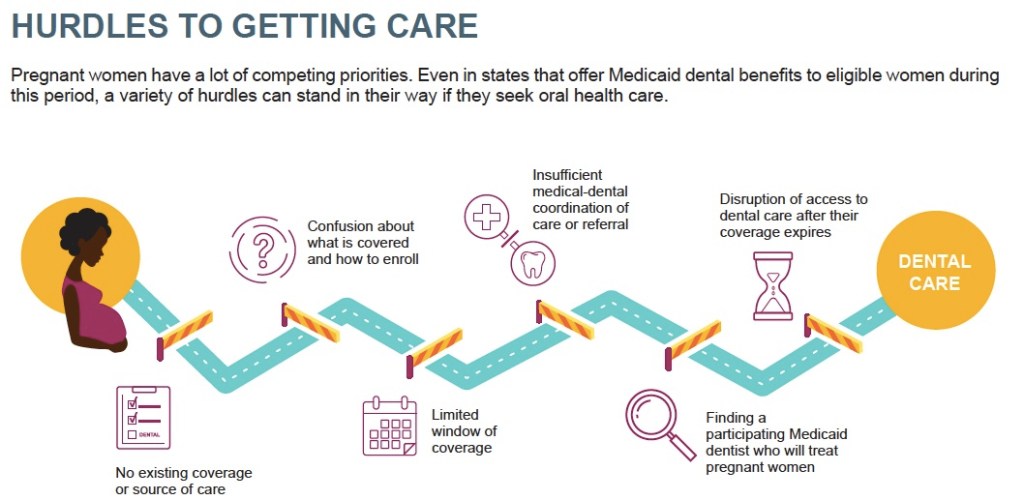
Many barriers exist in preventing women from receiving oral health screening in pregnancy: inadequate data representing coverage or access to care; inconsistent coverage from state to state; organizational, educational, and physical location barriers. CDHP (2018)

At the national level, oral health care screening in pregnancy is insufficient. Inadequate data for screening and access at the state and federal levels serves as a barrier to dental coverage for pregnant women (CDHP, 2018). Currently, data collection regarding oral health care during pregnancy is not recorded. Therefore, dental coverage is inconsistent from state to state and oral health care screening is thereby limited. Because a national standard for dental coverage in pregnancy does not exist, 40 states provide benefits up to 60 or 90 days postpartum, while other states do not provide any dental coverage for pregnant women (Eke, Mask, Reusch, Vishnevsky, & Quinonez, 2019).

A health policy solution that would increase oral health care screening during pregnancy may consist of uniform dental coverage during pregnancy among all 50 states extending until 1-year postpartum (Eke, Mask, Reusch, Vishnevsky, & Quinonez, 2019). This will aim towards standardized data among all states to evaluate access to oral health screening, treatment, and pregnant women’s health insurance benefits.  Additionally, barriers which prevent pregnant women from accessing dental care such as, enrollment timing and eligibility windows may be alleviated.

(Longest, 2010)

It is important to call attention to this health problem as both patients and providers do not place enough emphasis on oral health screening during pregnancy. While pregnant mothers may be unaware of the benefits of oral health screening, medical and dental providers often underutilize these screenings. As a future women’s health nurse practitioner, it is important to understand the significance oral health during pregnancy in order to provide comprehensive care to patients and promote optimal healthy behaviors during and after pregnancy.

References:

Children’s Dental Health Project. (2018, September). Oral health in pregnancy (Issue Brief No. 339). Retrieved from https://www.cdhp.org/resources/339-issue-brief-oral-health-during-pregnancy

Eke, C., Mask, A., Reusch, C., Vishnevsky, D., & Quinonez, R.B. (2019 November). Improving access to oral health care in pregnancy (Issue Brief No. 384). Retreived from https://www.cdhp.org/resources/384-coverage-brief-improving-access-to-oral-health-care-in-pregnancy

Longest, B.B. Jr. (2010). Health policymaking in the United States. (5th ed.). Chicago, IL: Health Administration Press.

MacDonal-Evoy, J. (2019). Carter proposes Arizona Health Care Cost Containment System (AHCCCS) dental coverage for pregnant women. Retrieved from https://www.azmirror.com/2019/01/23/carter-proposes-ahcccs-dental-coverage-for-pregnant-women/ Oral Health Care During Pregnancy Expert Workgroup. (2012).

Oral Health Care During Pregnancy Expert Workgroup. (2012). Oral Health Care During Pregnancy: A National Consensus Statement. Washington, DC: National Maternal and Child Oral Health Resource Center.

Design a site like this with WordPress.com
Get started